Septic systems are essential for maintaining a clean and healthy environment, especially in areas without direct access to public sewage systems. To keep these systems functioning smoothly, natural bacteria play a vital role. By breaking down waste effectively, bacteria ensure that septic tanks remain clean, safe, and efficient. Using bacteria in septic tanks not only reduces the chances of blockages but also supports the long-term health of the entire system. With their natural power, bacteria promote reliable operation, making septic maintenance simple and effective.
Why Bacteria Are Important for Septic Tanks
Bakterie do septiku are the driving force behind the septic process. They digest organic waste, convert solids into liquids, and reduce sludge build-up. Without this natural breakdown, the system would not function as intended. Healthy bacterial activity ensures that wastewater moves smoothly through the tank and into the drain field. The benefits of bacteria in septic tanks include:
- Efficient waste breakdown – prevents clogs and build-up.
- Improved safety – reduces harmful substances.
- Cleaner operation – minimizes unpleasant odors.
- Reliable system performance – supports long-term function.
Promoting Cleaner Operation
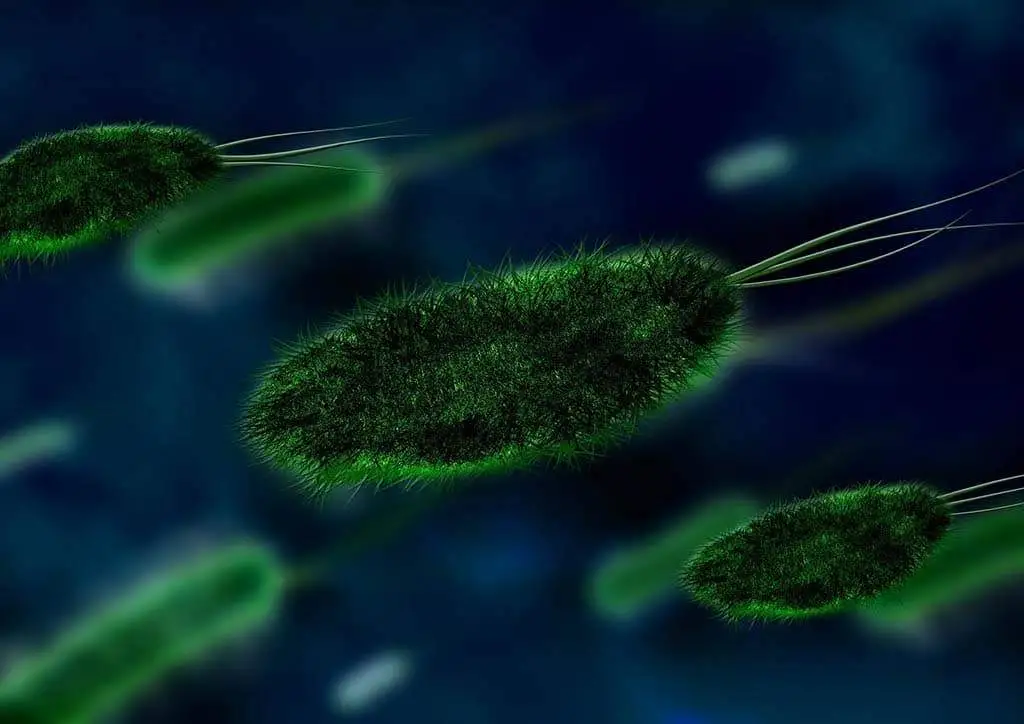
One of the major advantages of bacteria in septic tanks is cleanliness. They work around the clock to keep the system free from excess waste and unpleasant smells. A septic tank supported by natural bacteria maintains a cleaner environment both inside and outside the system. This means fewer worries about waste overflow or odor problems.
Supporting Safer Functioning
Bacteria help in creating a safer septic environment by naturally breaking down harmful compounds. This process lowers the risk of pollutants reaching groundwater or surrounding soil. By maintaining bacterial balance, the system protects households and the environment from contamination. The result is a healthier living space and peace of mind.
Ensuring Reliable Operation
Reliability is key to septic system performance. Bacteria ensure smooth waste processing, preventing disruptions that could otherwise require costly interventions. A system enriched with bacteria can function effectively for many years, reducing the need for frequent maintenance. Key reliability benefits include:
- Steady breakdown of solids.
- Reduced risk of backups.
- Long-lasting efficiency.
- Lower maintenance needs.
Simple Practices to Support Bacteria
Maintaining bacteria in a septic tank does not require complex steps. By following simple practices, homeowners can support strong bacterial activity.
- Use natural or septic-safe products.
- Limit use of harsh chemicals.
- Schedule routine inspections.
- Add natural bacterial treatments when needed.
Bacteria are the foundation of a clean, safe, and reliable septic system. They break down waste, protect the environment, and keep the system operating without problems. By supporting bacterial growth, homeowners can enjoy long-term benefits such as reduced maintenance, fewer issues, and better safety. Natural bacteria make septic tanks more efficient, ensuring they remain a dependable part of daily living.